Is Plinko just a casual game?
The board looks simple, but the risk still depends on volatility settings and payout distribution, which is why demo use is helpful before repeated play.

Understand how Plinko works, why volatility matters more than the simple board layout suggests, and how demo mode helps before real play.

Drop the ball through the peg field and follow how Plinko turns a simple visual mechanic into a fast multiplier-style session.
The gameplay blends arcade, casual, physics elements with Spribe's quick-session format. This mini game includes demo access, RTP 97%, and provably fair technology for desktop and mobile play.

Technology
Game Type
Return to Player (RTP)
Devices
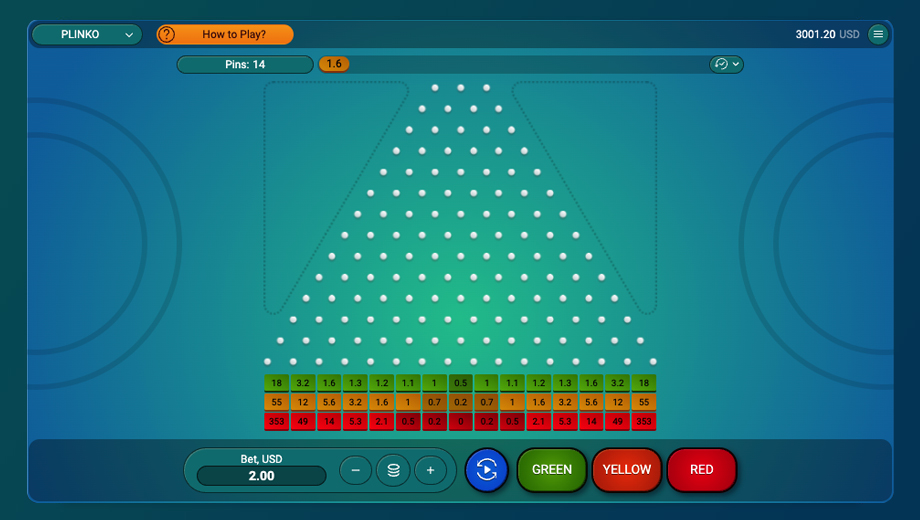
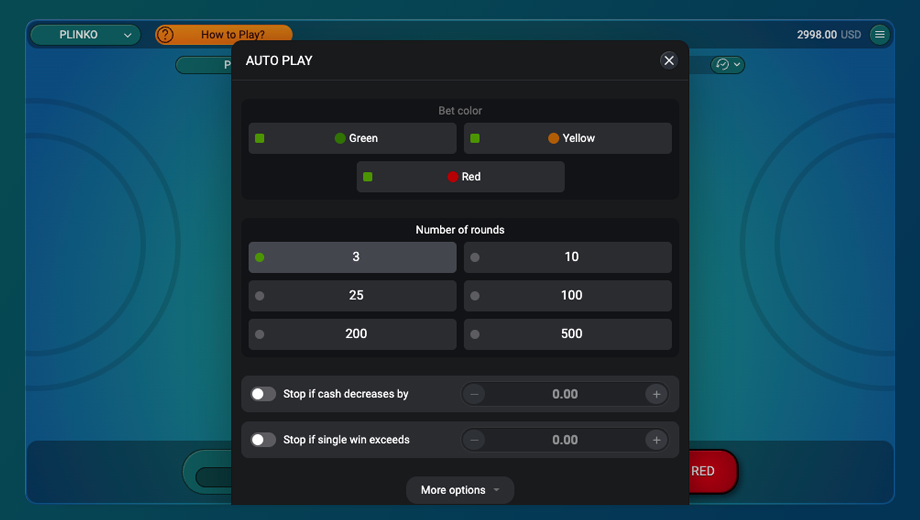
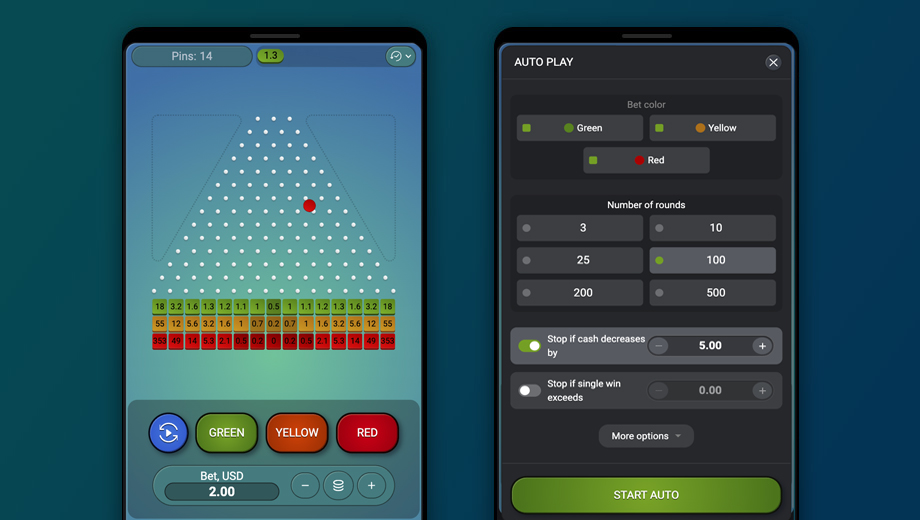
Plinko is a SPRIBE mini game built around a drop-based board where the landing path creates a simple but highly variable outcome. The main value of this page is to explain the format before the player enters the demo.
Instead of generic sales language, this guide focuses on how the game behaves, how the demo helps, and what a player should understand about RTP, fairness, and mobile access.
Drop the ball through the peg field and follow how Plinko turns a simple visual mechanic into a fast multiplier-style session.
The game feels simple, but risk still comes from board setup, slot weighting, and whether the user understands volatility.
RTP is a long-run theoretical figure. It does not predict what will happen in a short sample of rounds, so demo mode is useful for understanding pace, controls, and decision points before any real-money exposure.
Provably fair messaging is most useful when paired with explanation. Players should know that fairness claims refer to how results are produced and verified, not to guaranteed outcomes.
These games are designed for browser-based play on desktop and mobile. That makes safe access, page speed, and readable help content more useful than oversized promotional sections.
Plinko often attracts first-time players because the board looks intuitive, so mobile readability and demo-first guidance are especially useful.
The board looks simple, but the risk still depends on volatility settings and payout distribution, which is why demo use is helpful before repeated play.
The best first step is to understand pace and variance in demo mode rather than assume that a visually simple board means low volatility.